THE EVOLUTION OF SPEED
How Japan and Europe Turned Race Bikes Into Road-Legal Weapons
By: Andy Weightman / February 2024
There was a time when owning a fast motorcycle meant making compromises.
Race bikes were light, temperamental and purpose-built. Road bikes were heavier, softer and expected to survive commuting, bad weather and the occasional questionable decision on a Sunday morning.
Then somebody decided the two didn’t need to be separate.
What followed was one of the greatest technological arms races in motorcycle history.
Europe had racing pedigree stretching back decades. Japan brought engineering precision, mass production and an almost obsessive appetite for performance. By the 1970s, the two were beginning a competition that would eventually put machines capable of extraordinary performance into ordinary riders’ garages.
And motorcycles would never be the same.
Before the Superbike
BEFORE THE SUPERBIKE
Early European manufacturers understood a simple formula:
Less weight + enough horsepower = speed.
British and Italian manufacturers built motorcycles heavily influenced by competition. Companies such as Norton, Triumph, MV Agusta, Ducati and Moto Guzzi developed machines whose engineering was closely connected to racing.
But they were still recognizably motorcycles of their era.
Steel frames. Twin shocks. Narrow tires. Modest brakes.
Then Japan arrived with something different.
Not merely faster motorcycles.
Motorcycles that were fast, reliable and could be produced in enormous numbers.
The warning shot came in 1969.
1969 • Honda CB750 Four
THE BLUEPRINT
Four cylinders. Disc brake. Mass production. The modern superbike begins.
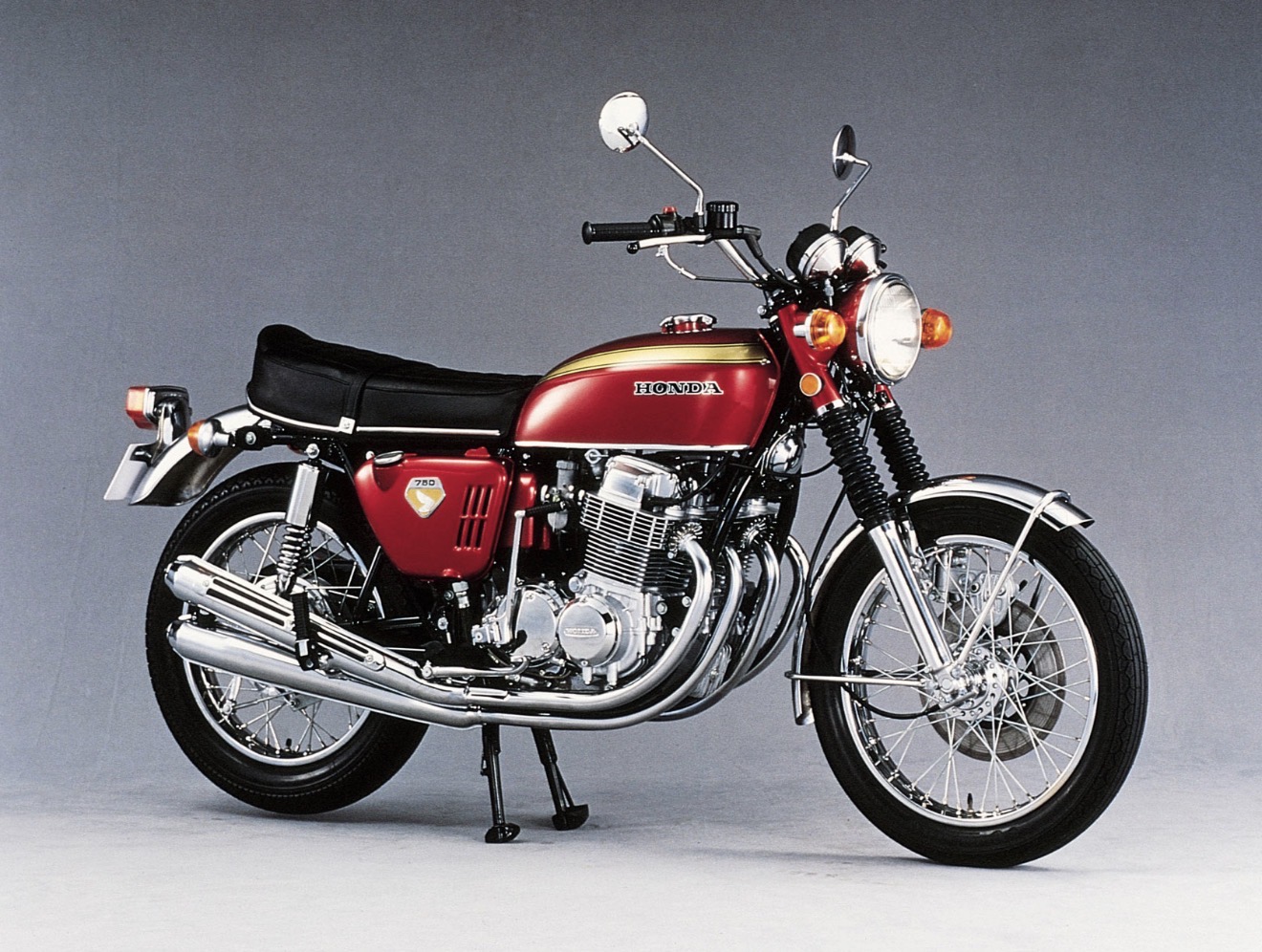
Honda’s CB750 introduced riders to a transverse four-cylinder engine, electric start and front disc brake in a package ordinary people could actually buy.
It wasn’t a race replica.
But it helped establish the blueprint for the modern superbike.
Four cylinders.
Big power.
Real brakes.
Everyday reliability.
And Honda wasn’t interested in proving the concept only on the showroom floor.
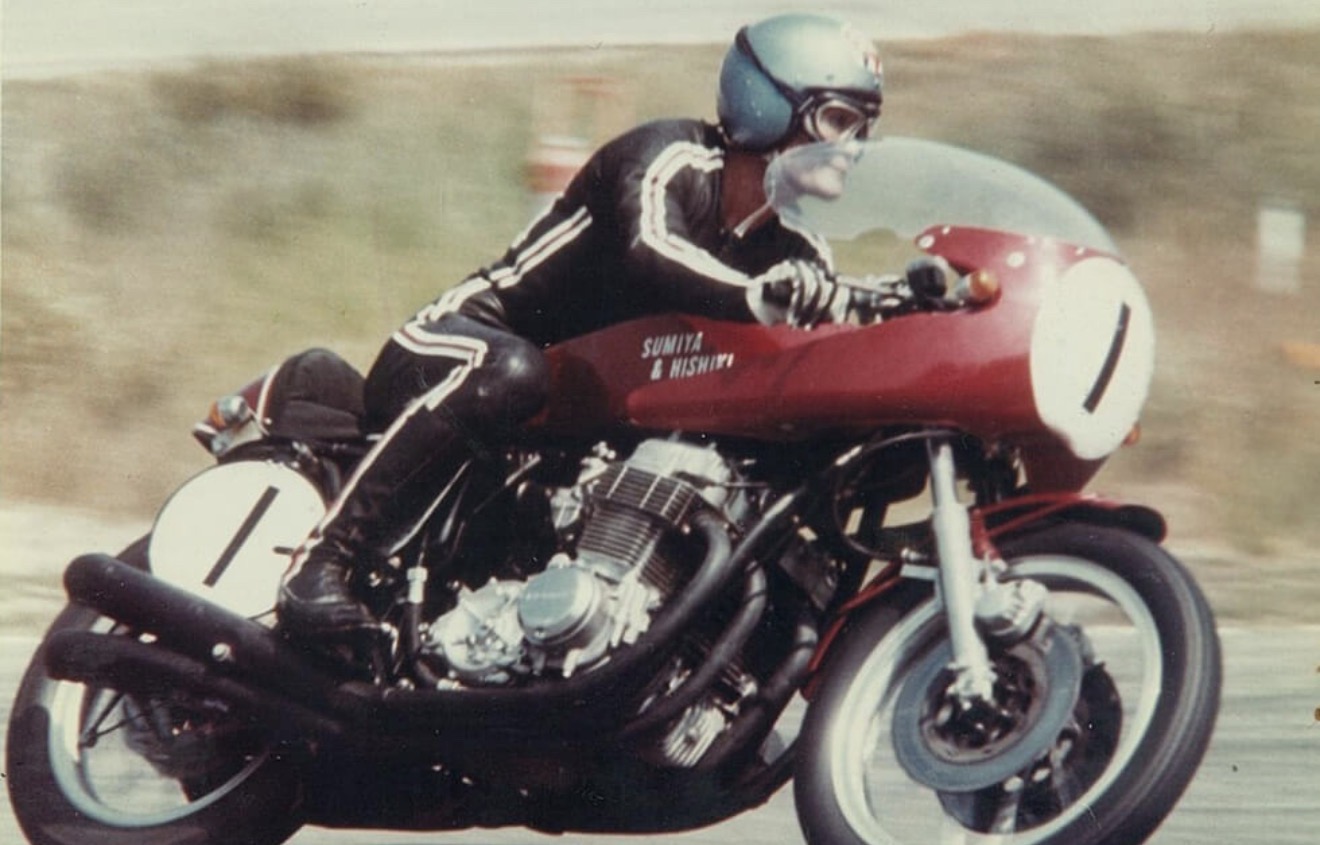
The CB750 went racing almost immediately, demonstrating that the same basic machine being sold to the public had serious performance potential.
The performance war had begun.
Japan Turns Up the Volume
JAPAN TURNS UP THE VOLUME
Throughout the 1970s and into the early 1980s, the Japanese manufacturers kept escalating.
Kawasaki unleashed increasingly powerful machines.
Suzuki developed increasingly serious performance motorcycles.
Yamaha pushed two-stroke technology to wonderfully irresponsible levels.
Honda continued refining the four-cylinder motorcycle.
Meanwhile, Europe wasn’t exactly sitting quietly in the corner.
Ducati demonstrated what a beautifully balanced V-twin chassis could accomplish. BMW pursued high-speed stability and engineering sophistication. Italian manufacturers continued treating motorcycle design as equal parts engineering and sculpture.
Two philosophies were emerging.
Europe tended to build motorcycles around character, handling and racing heritage.
Japan increasingly attacked the problem with engineering, horsepower and relentless development.
Then the 1980s arrived.
And everything changed.
1985 • Suzuki GSX-R750
THE RACE REPLICA
Suzuki stopped making a road bike look sporty and started making a race bike street legal.
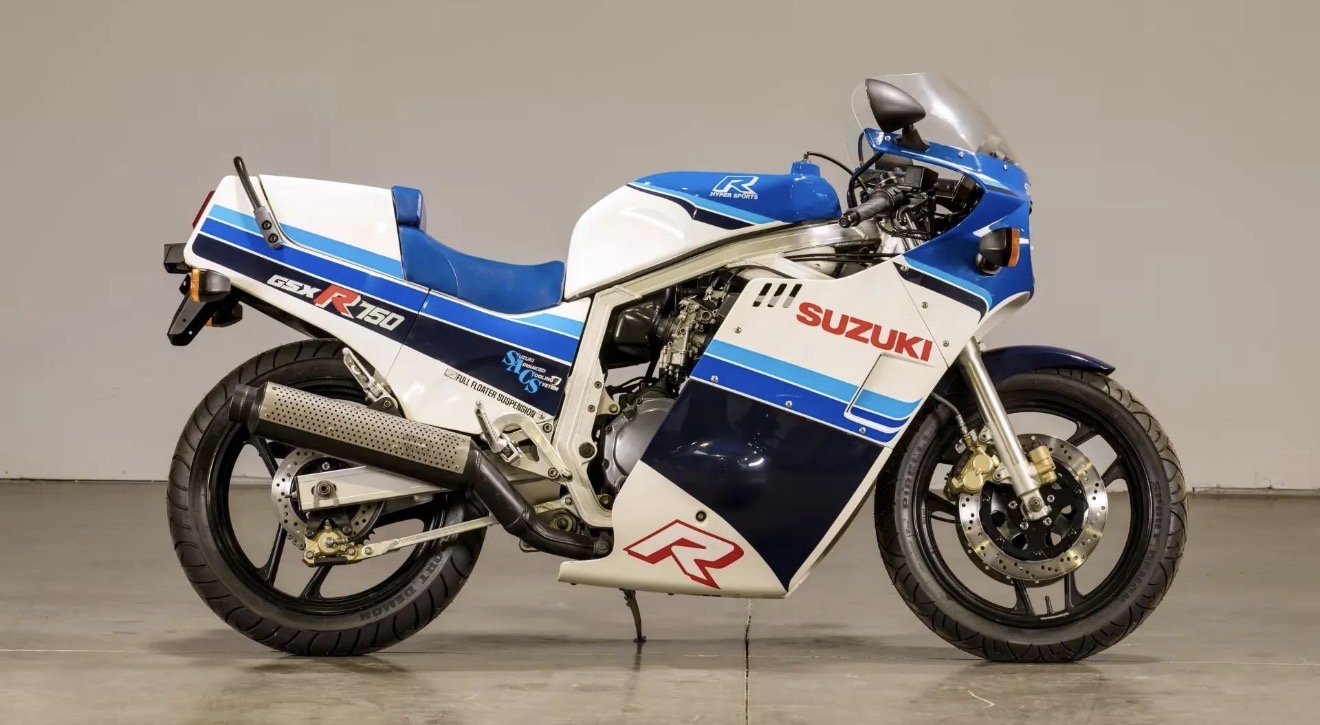
By the early 1980s, manufacturers realized riders didn’t simply want motorcycles inspired by racing.
They wanted something that looked and felt like the machines they watched racing on Sunday.
Full fairings appeared.
Clip-on handlebars.
Rear-set foot controls.
Aluminum frames.
Better suspension.
Bigger brakes.
High-revving engines.
Then Suzuki dropped a grenade into the industry.
The 1985 GSX-R750 changed expectations.
Instead of building another heavy street motorcycle with sporting intentions, Suzuki approached the problem from the opposite direction.
Build something closer to a race bike.
Then make it street legal.
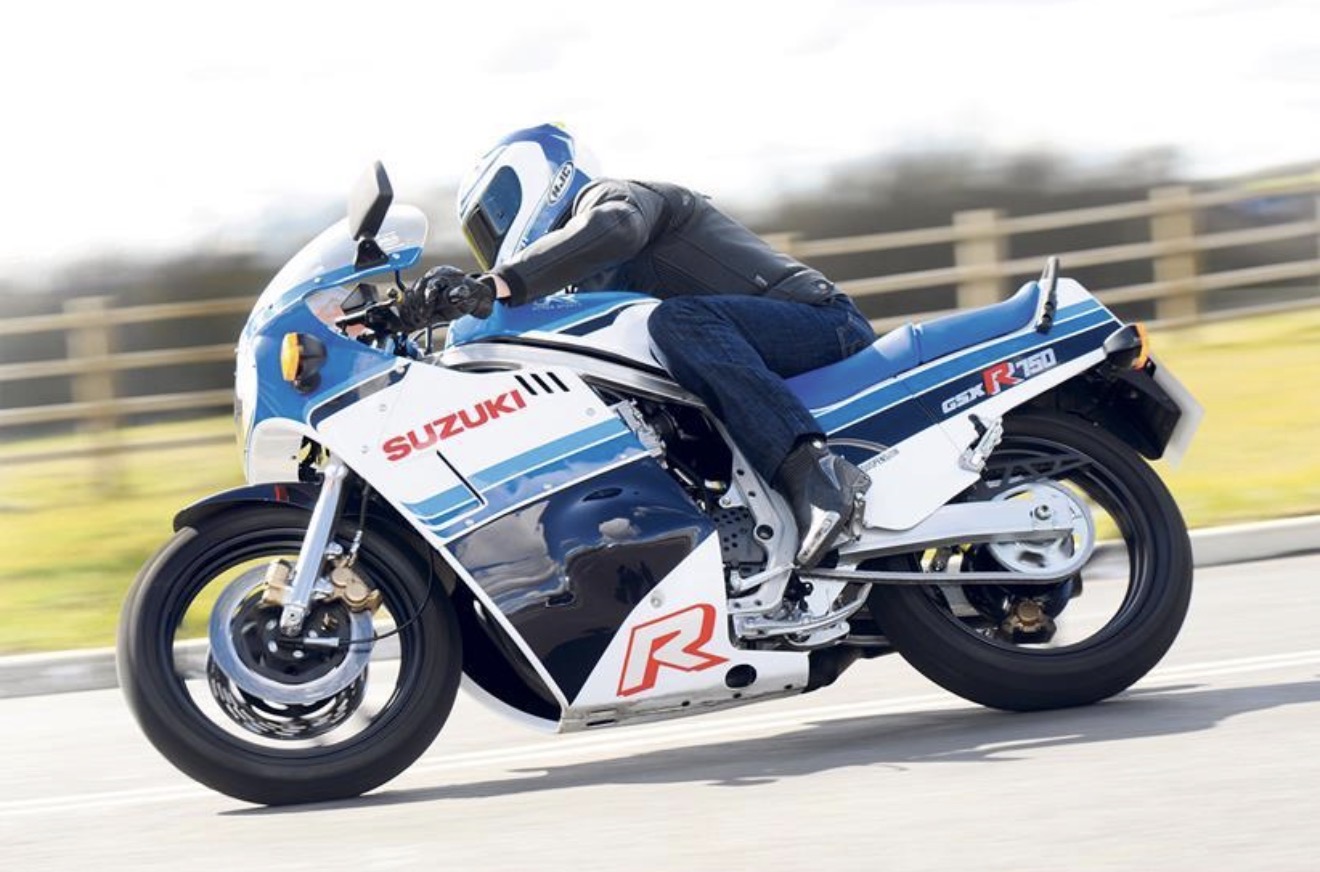
The GSX-R used an aluminum frame, aggressive riding position, full race-style bodywork and remarkably low weight for a four-cylinder 750.
It looked outrageous.
More importantly, it worked.
The GSX-R helped establish the formula manufacturers still chase today:
More power. Less weight. Better chassis. Repeat.
The race-replica era had arrived.
1987 • Honda VFR750R RC30
HOMOLOGATION
Built for the road because Honda wanted it on the racetrack.
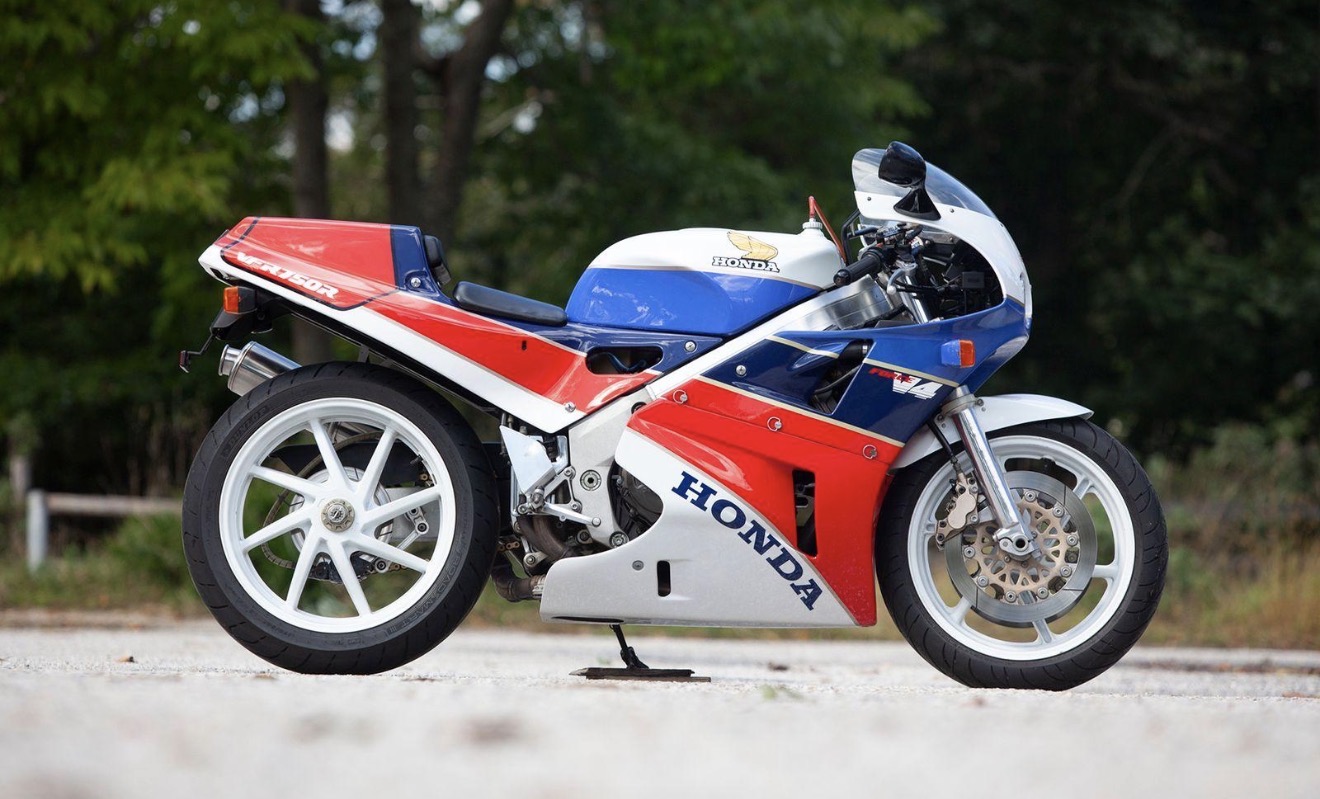
Once Suzuki proved riders would buy serious race-inspired motorcycles, the other Japanese manufacturers responded.
And they responded aggressively.
Yamaha created the FZR series with sophisticated chassis design and high-revving engines.
Kawasaki developed increasingly focused Ninjas and ZX-R machines.
Honda went one step further.
It built motorcycles that blurred the distinction between production bike and homologation racer.
The VFR750R RC30 was essentially Honda engineering showing off.
A 748cc V4.
Gear-driven cams.
Single-sided swingarm.
Race-developed chassis.
Hand-built components.
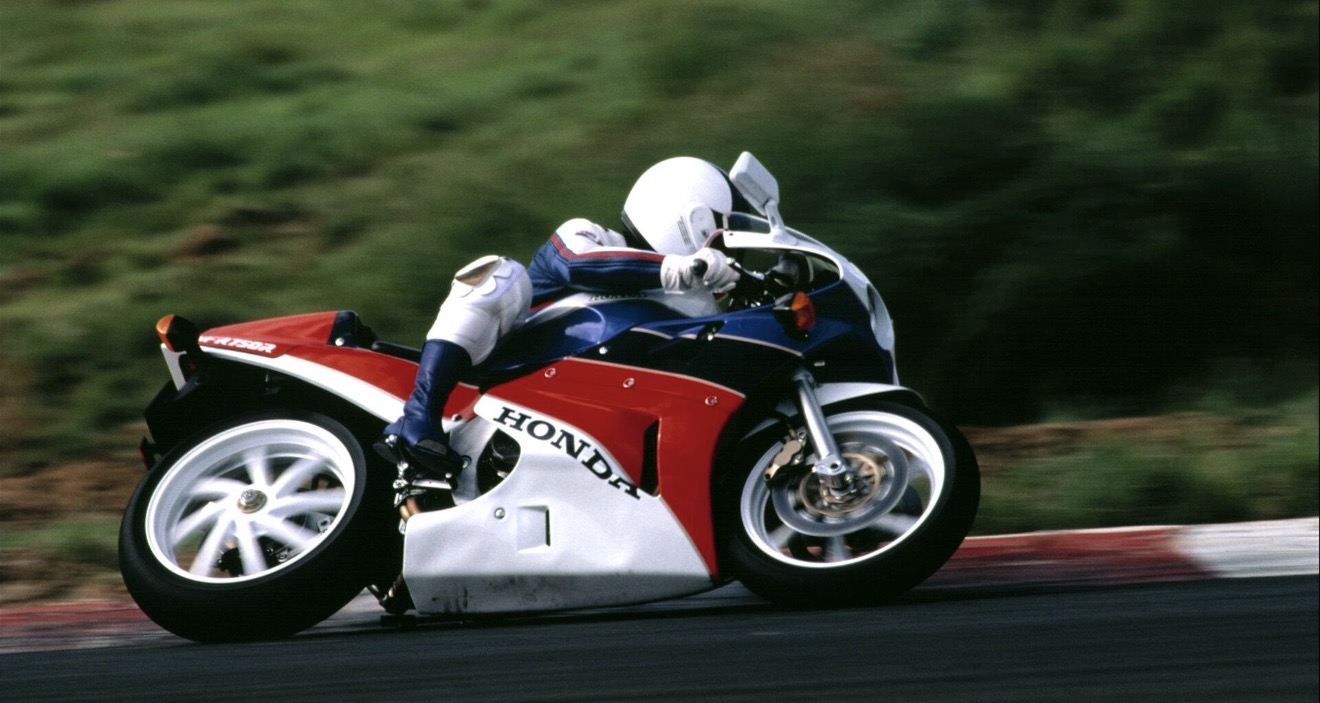
The RC30 wasn’t designed merely to look like a racing motorcycle.
It existed because Honda wanted to win races.
And racing regulations required Honda to produce road-going versions.
That concept would produce some of the most desirable motorcycles ever made.
The race bike hadn’t merely influenced the street bike anymore.
The two were becoming almost the same machine.
1992 • Honda CBR900RR FireBlade
LESS WEIGHT. MORE SPEED.
The FireBlade rewrote the superbike equation.
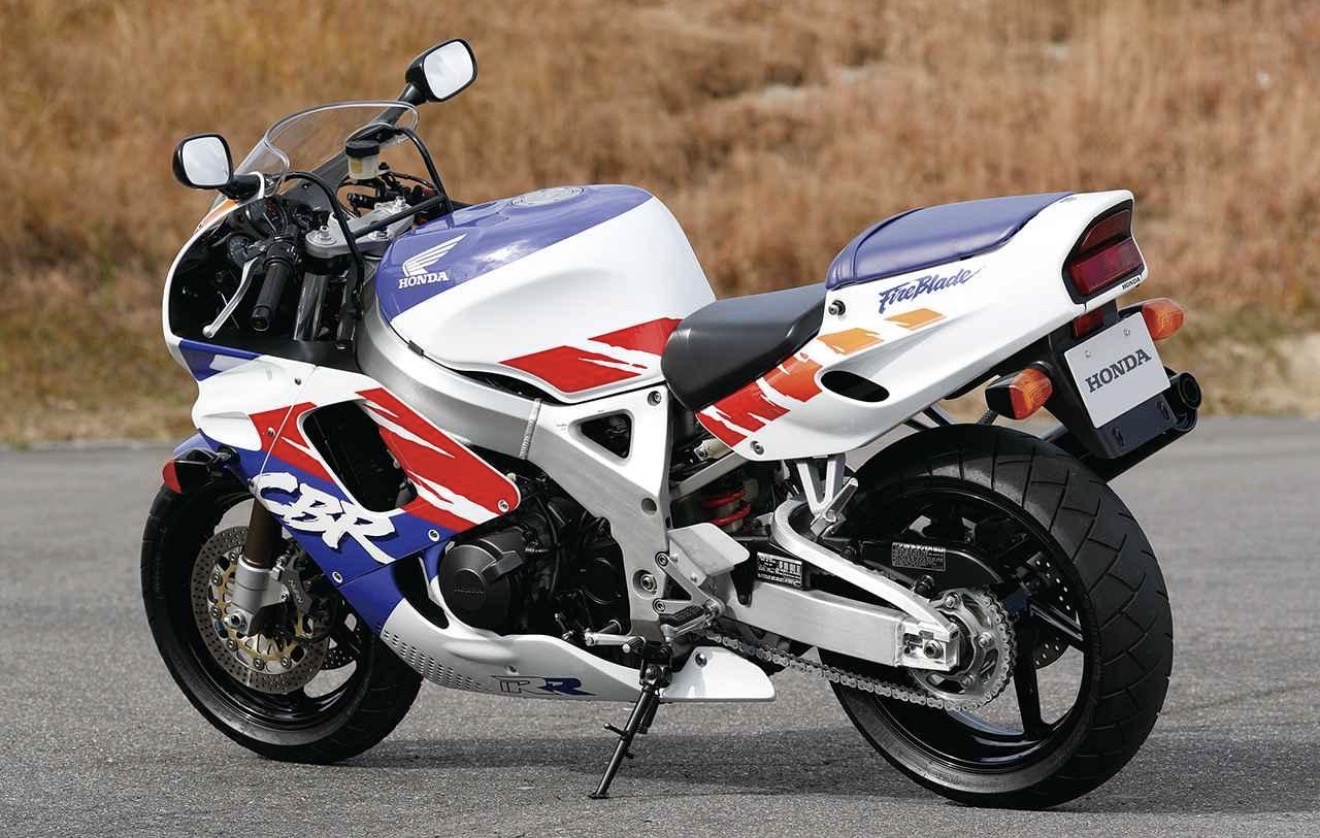
By the early 1990s, Japanese sport bikes were incredibly capable.
But there was a problem.
They were getting bigger.
And heavier.
Honda engineer Tadao Baba believed there was a better answer.
Instead of simply adding horsepower, reduce weight.
The result was the Honda CBR900RR FireBlade.
Honda gave it an 893cc engine producing serious performance, but packaged it in a motorcycle weighing only around 185 kilograms dry.
That changed everything.
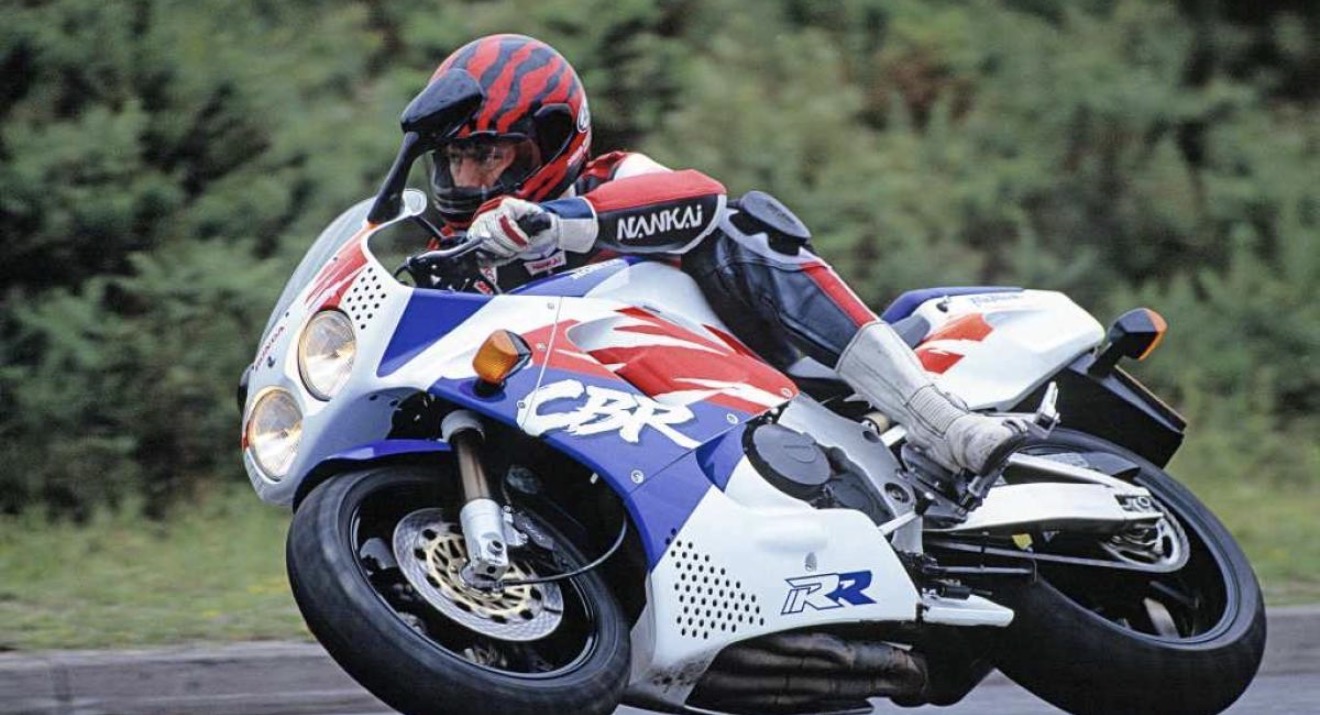
The FireBlade delivered near-liter-bike performance in a motorcycle closer in size and weight to the smaller machines riders were accustomed to throwing through corners.
Suddenly everyone remembered something racers had understood forever:
Weight is the enemy.
The FireBlade forced the industry to rethink what a superbike should be.
More displacement wasn’t enough.
More horsepower wasn’t enough.
The whole motorcycle had to become lighter, smaller and sharper.
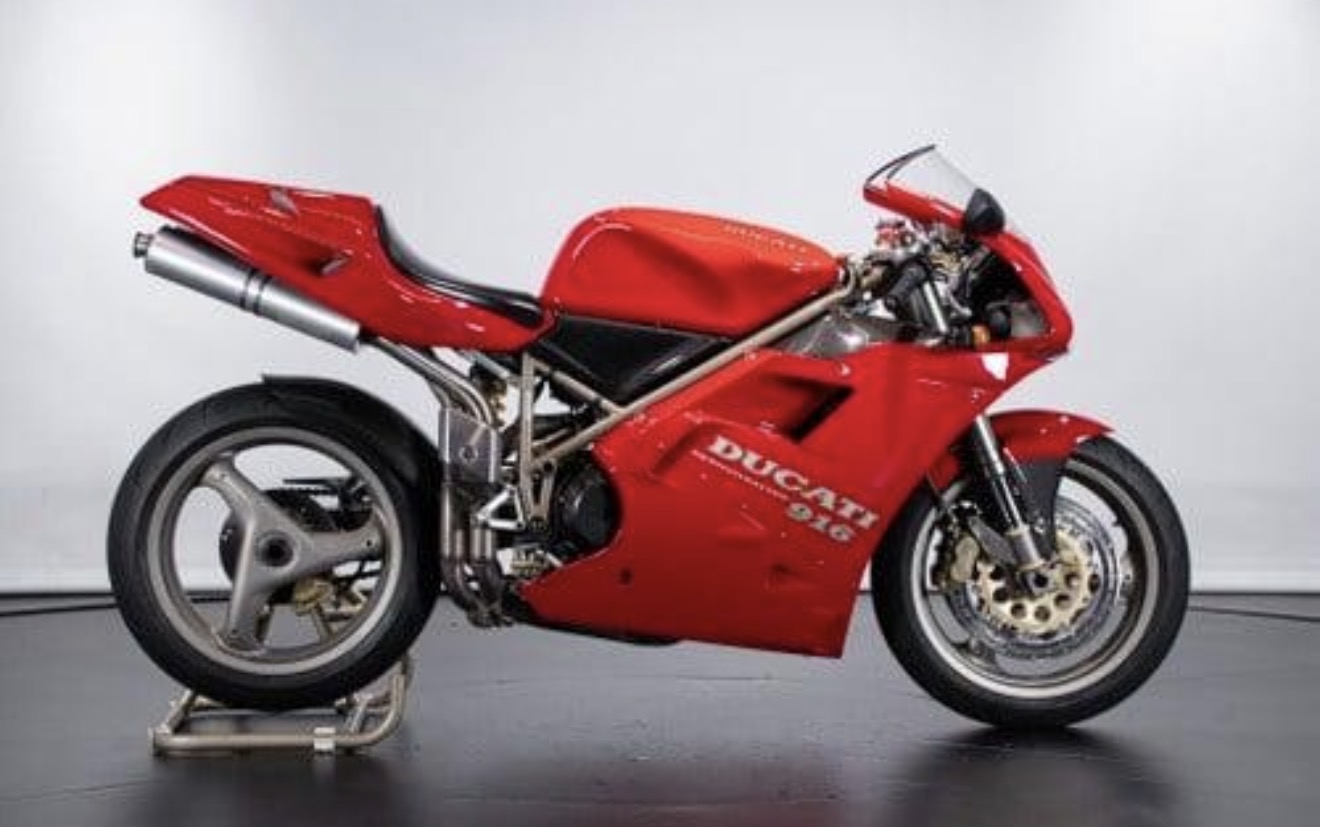
1994 • Ducati 916
SPEED BECOMES ART
Ducati proved performance didn’t have to be ugly.
Japan may have mastered the inline-four superbike, but Europe wasn’t interested in simply copying it.
Ducati took another route.
The company leaned heavily into the V-twin.
The 851 and 888 brought fuel injection, four-valve heads, desmodromic valve operation and serious Superbike racing success.
They laid the foundation for something extraordinary.
Then came the Ducati 916.
It was fast.
It handled beautifully.
But it also looked unlike practically anything else on the road.
Underseat exhausts.
Single-sided swingarm.
Tiny frontal profile.
Twin headlights.
And that unmistakable red bodywork.
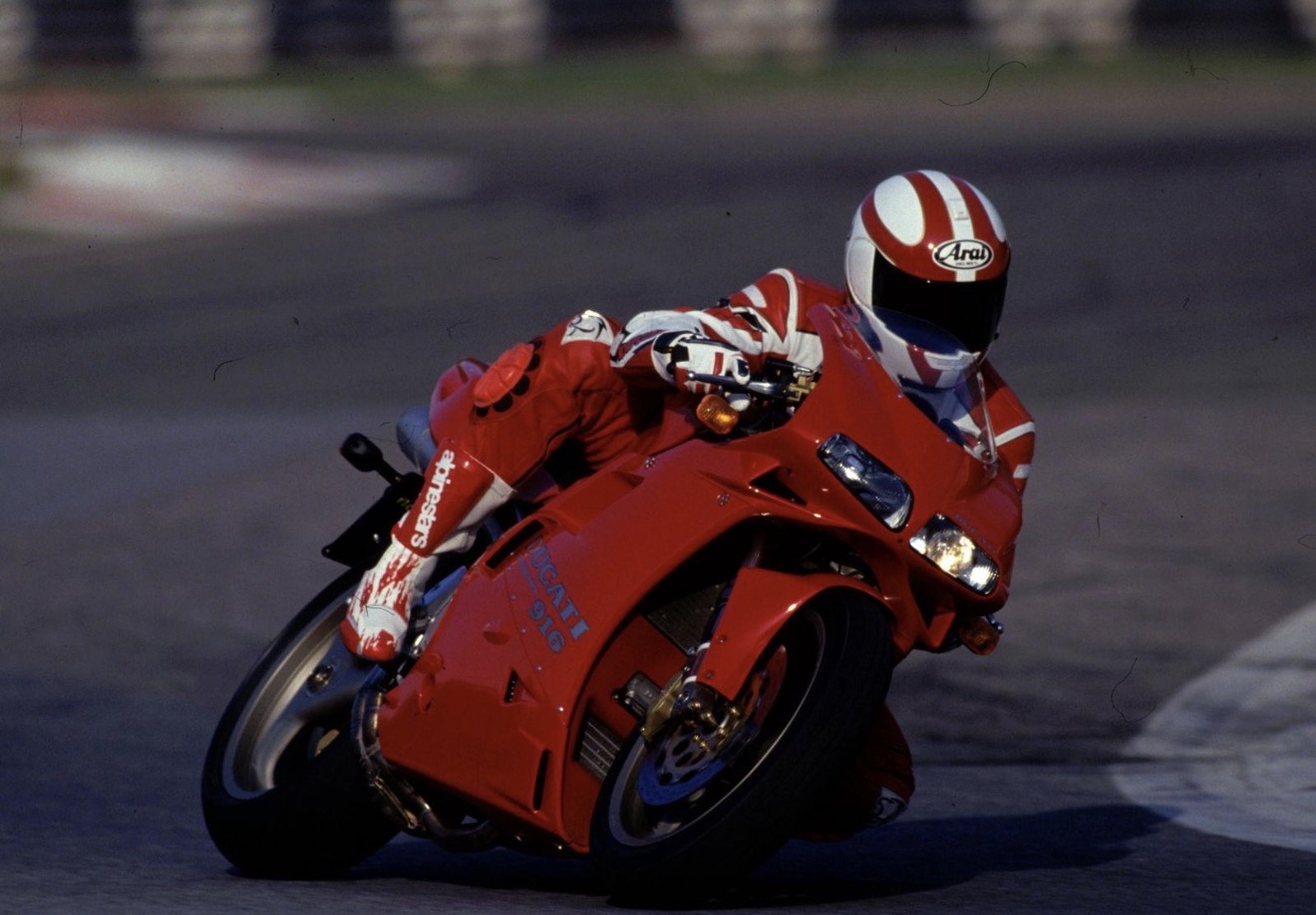
The 916 proved something important.
A superbike didn’t have to win solely through horsepower.
Design, chassis balance and character mattered too.
Japan had engineering firepower.
Italy brought theater.
The rivalry made both better.
But another battle was already brewing.
And this one wasn’t about lap times.
It was about one number.
Top Speed
TOP SPEED
During the 1990s, manufacturers began chasing an almost absurd milestone:
200 mph.
Motorcycles became larger, more aerodynamic and astonishingly powerful.
Honda produced the CBR1100XX Super Blackbird.
Kawasaki had already established the Ninja ZX-11 as a high-speed monster.
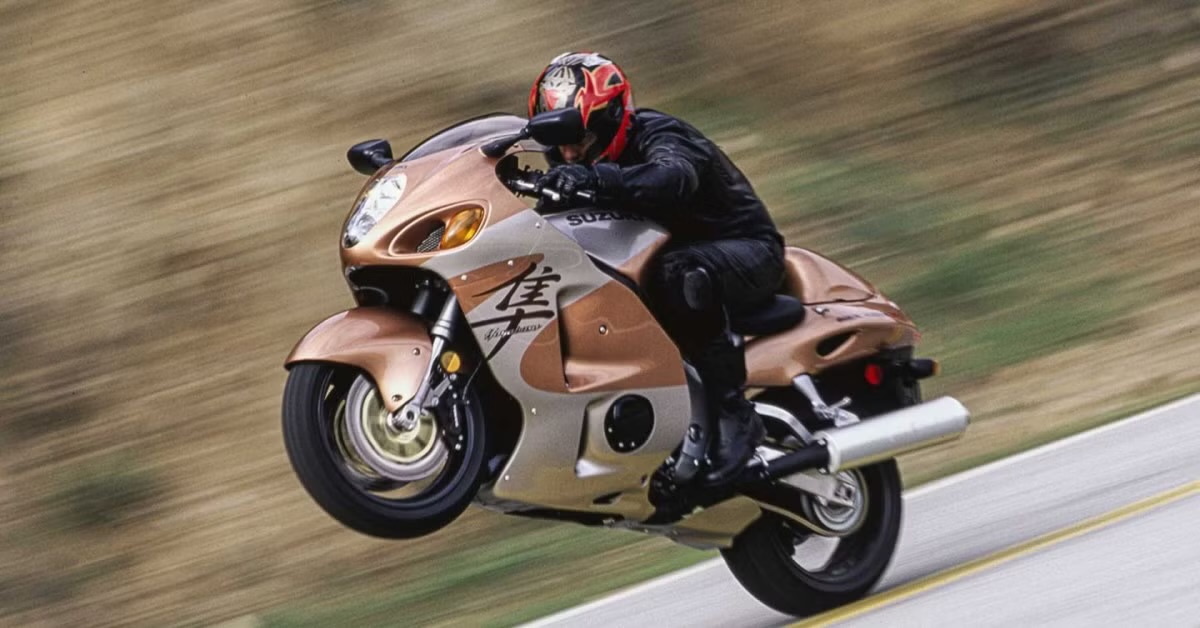
And then, in 1999, Suzuki unveiled a motorcycle whose name would become synonymous with speed.
1999 • Suzuki GSX1300R Hayabusa
THE SPEED WAR
The question was no longer whether a road bike could be brutally fast. It was how fast manufacturers dared to make one.
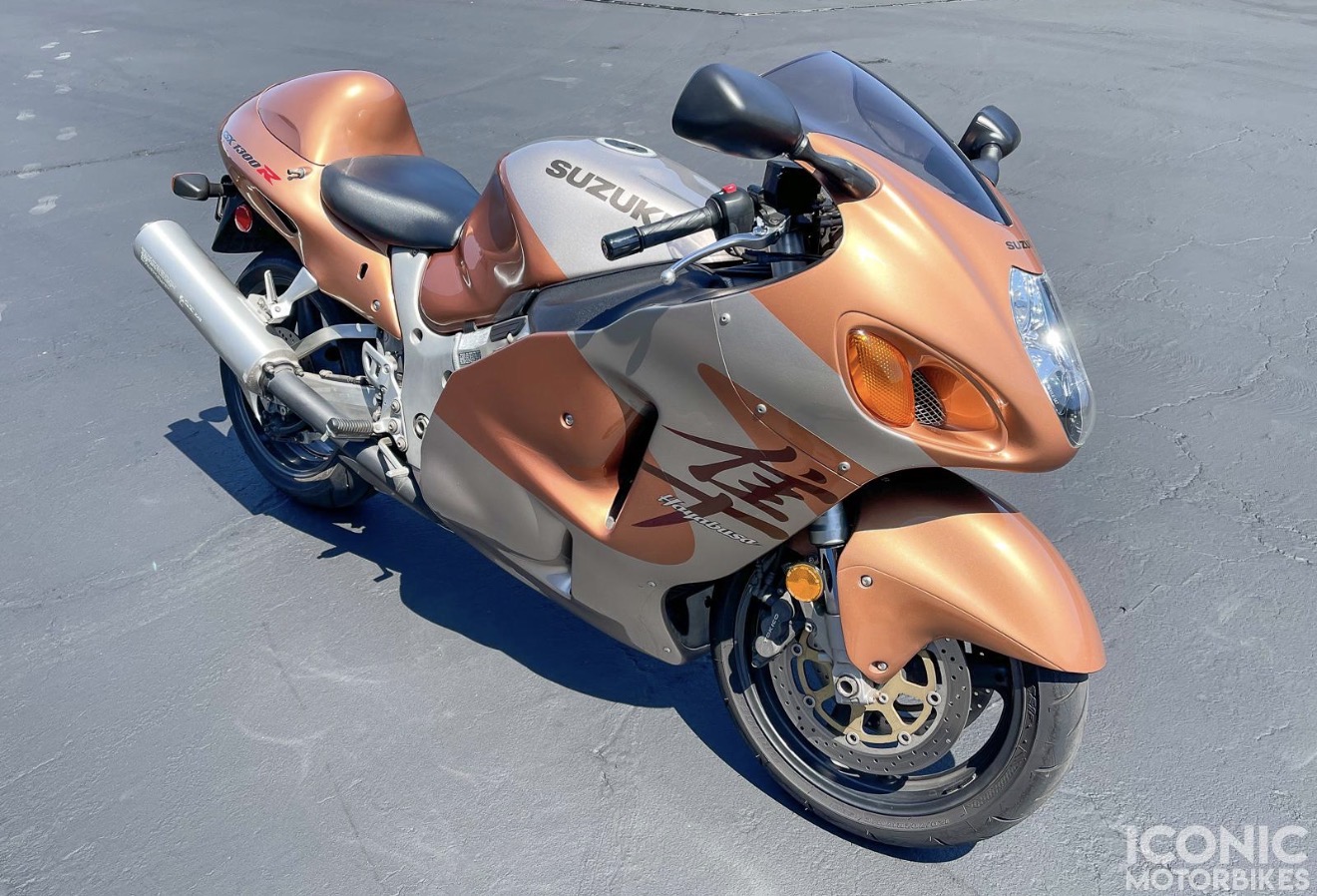
The Hayabusa wasn’t delicate.
It wasn’t trying to resemble a Grand Prix motorcycle.
And its unusual bodywork wasn’t designed simply to look pretty.
It had another mission.
Go very, very fast.
Its long, rounded bodywork was heavily influenced by aerodynamics.
At a standstill, the design was controversial.
At speed, it made sense.
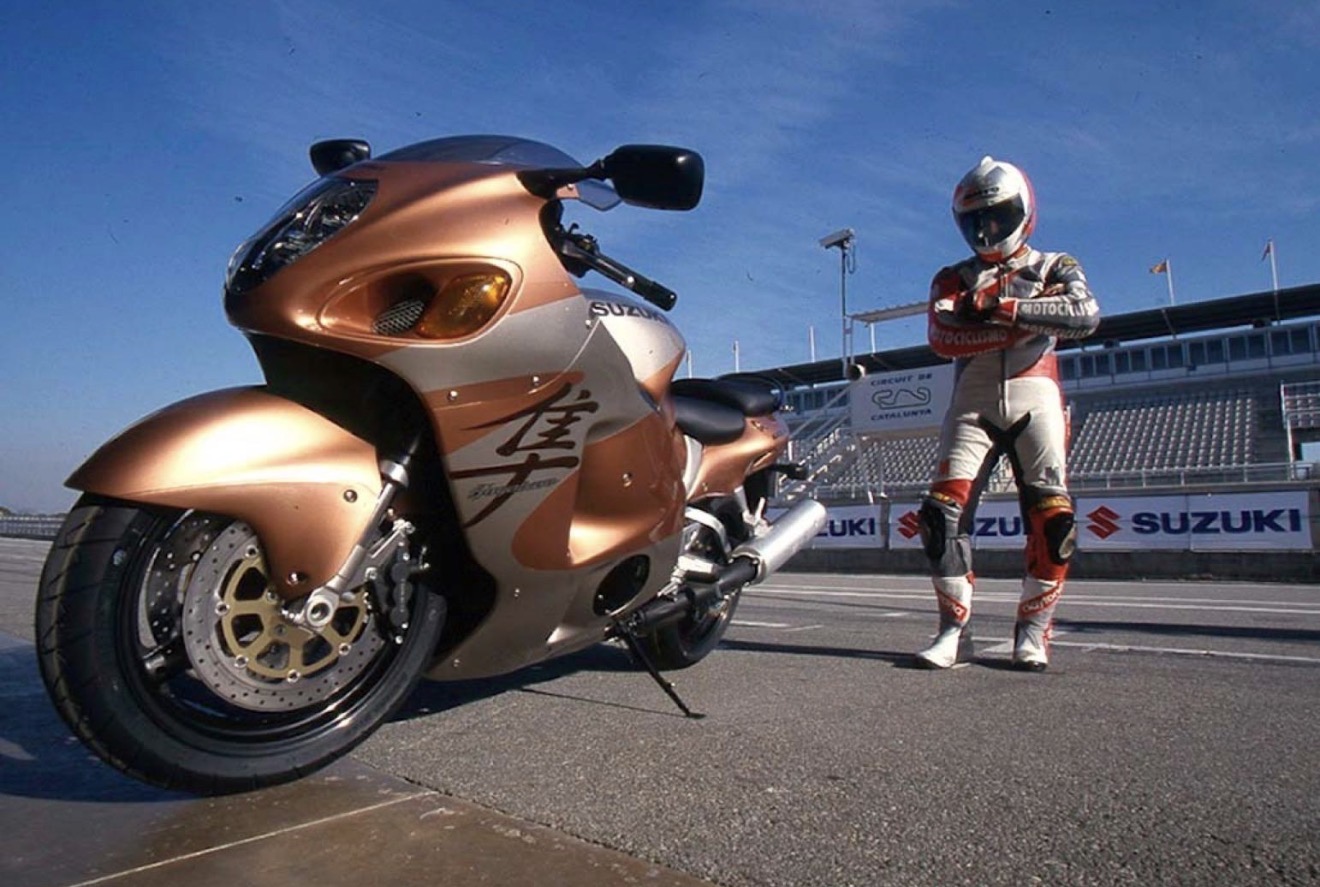
The Hayabusa became one of the fastest production motorcycles ever offered to the public and almost instantly became a legend.
The race toward 200 mph had become serious enough that manufacturers eventually moved toward electronically limiting top speeds around 300 km/h, roughly 186 mph.
But that didn’t end the performance war.
Not even close.
Horsepower continued climbing.
Instead, the battlefield changed.
Today
THE 200+ HORSEPOWER GENERATION
Modern superbikes would have seemed borderline impossible to riders standing outside a motorcycle dealership in 1985.
Two hundred horsepower.
Six-axis inertial measurement units.
Lean-sensitive traction control.
Cornering ABS.
Wheelie control.
Launch control.
Quickshifters.
Electronic suspension.
Selectable engine braking.
Multiple riding modes.
Aerodynamic wings.
The motorcycle isn’t merely producing enormous power anymore.
It’s constantly helping the rider manage it.
And three motorcycles illustrate just how far the superbike has evolved.
Ducati Panigale V4
ITALIAN RACING DNA • REIMAGINED
Italian racing DNA meets aerodynamics, electronics and 200+ horsepower.
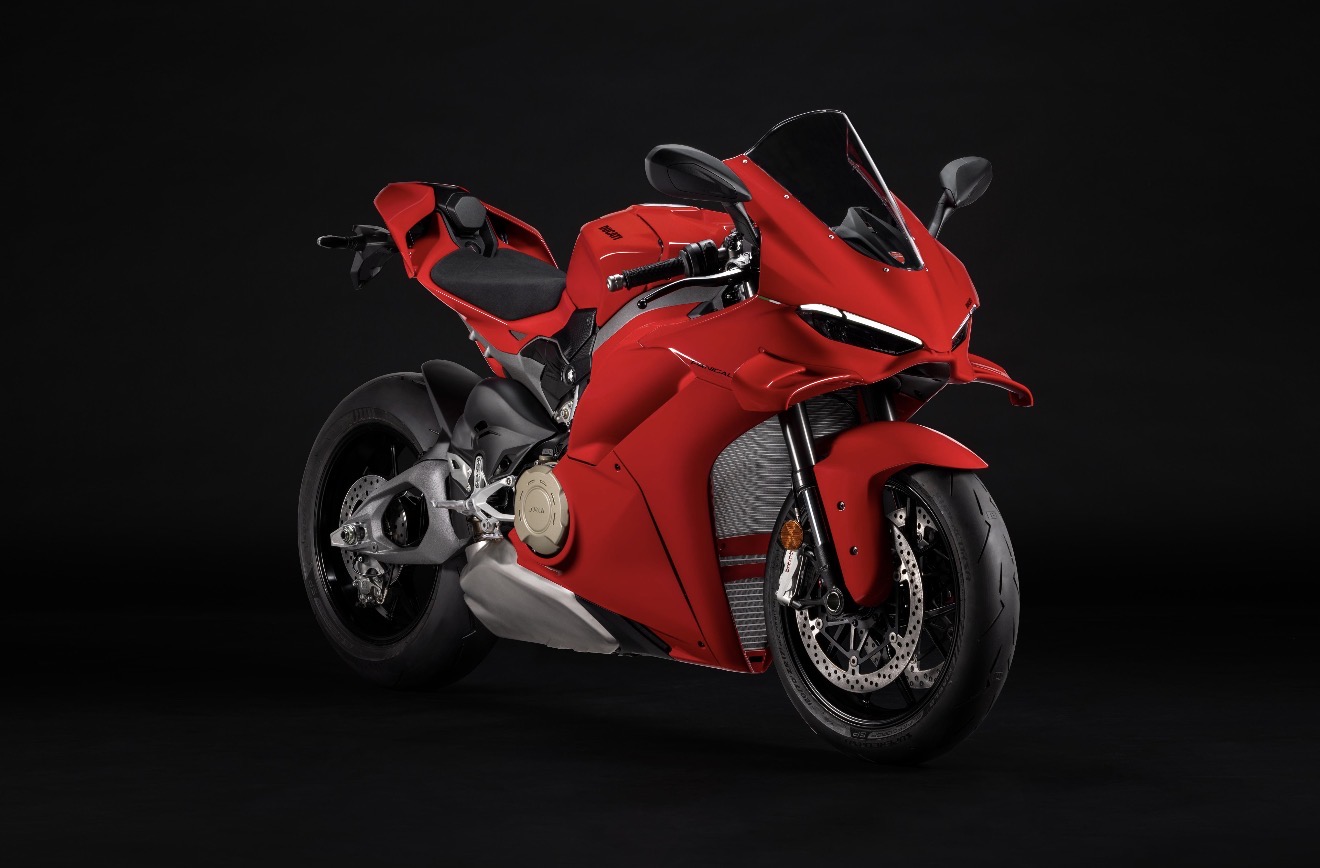
The lineage from Ducati’s earlier superbikes is unmistakable.
But the modern Panigale V4 represents an entirely different level of engineering.
The famous V-twin superbike formula gave way at the top of Ducati’s range to a V4 architecture closely connected to the company’s modern racing philosophy.
Sophisticated electronics now work alongside enormous horsepower, advanced aerodynamics and a chassis designed around extraordinary cornering performance.
The Panigale represents the modern European interpretation of the superbike:
Exotic.
Technologically sophisticated.
Violently fast.
And still unmistakably Italian.
BMW S1000RR
GERMANY ENTERS THE FIGHT
BMW entered the superbike war and changed the balance of power.
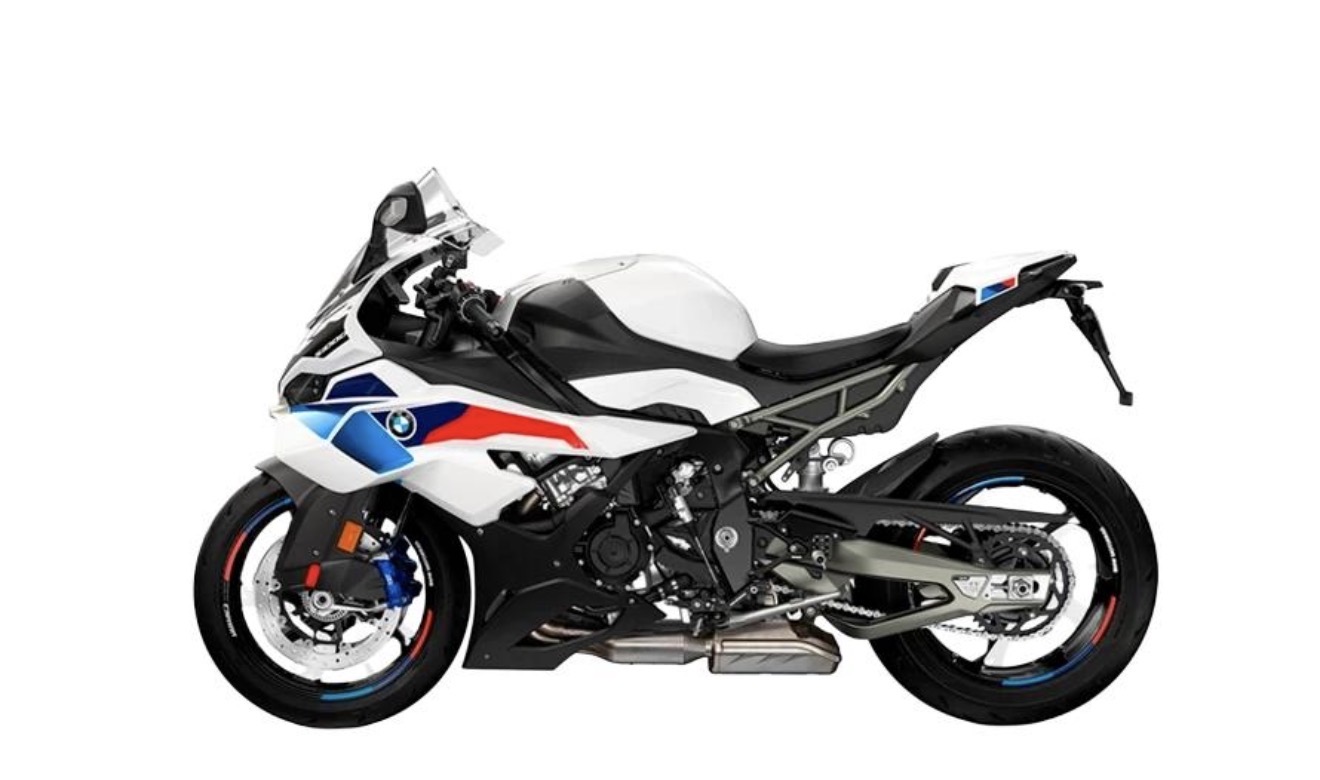
For decades, BMW motorcycles were better known for touring, engineering and long-distance performance than all-out superbike warfare.
Then BMW decided to enter the fight.
The S1000RR arrived with enormous power and sophisticated electronics, challenging the established Japanese and Italian superbike hierarchy.
It proved there was room for another philosophy in the battle.
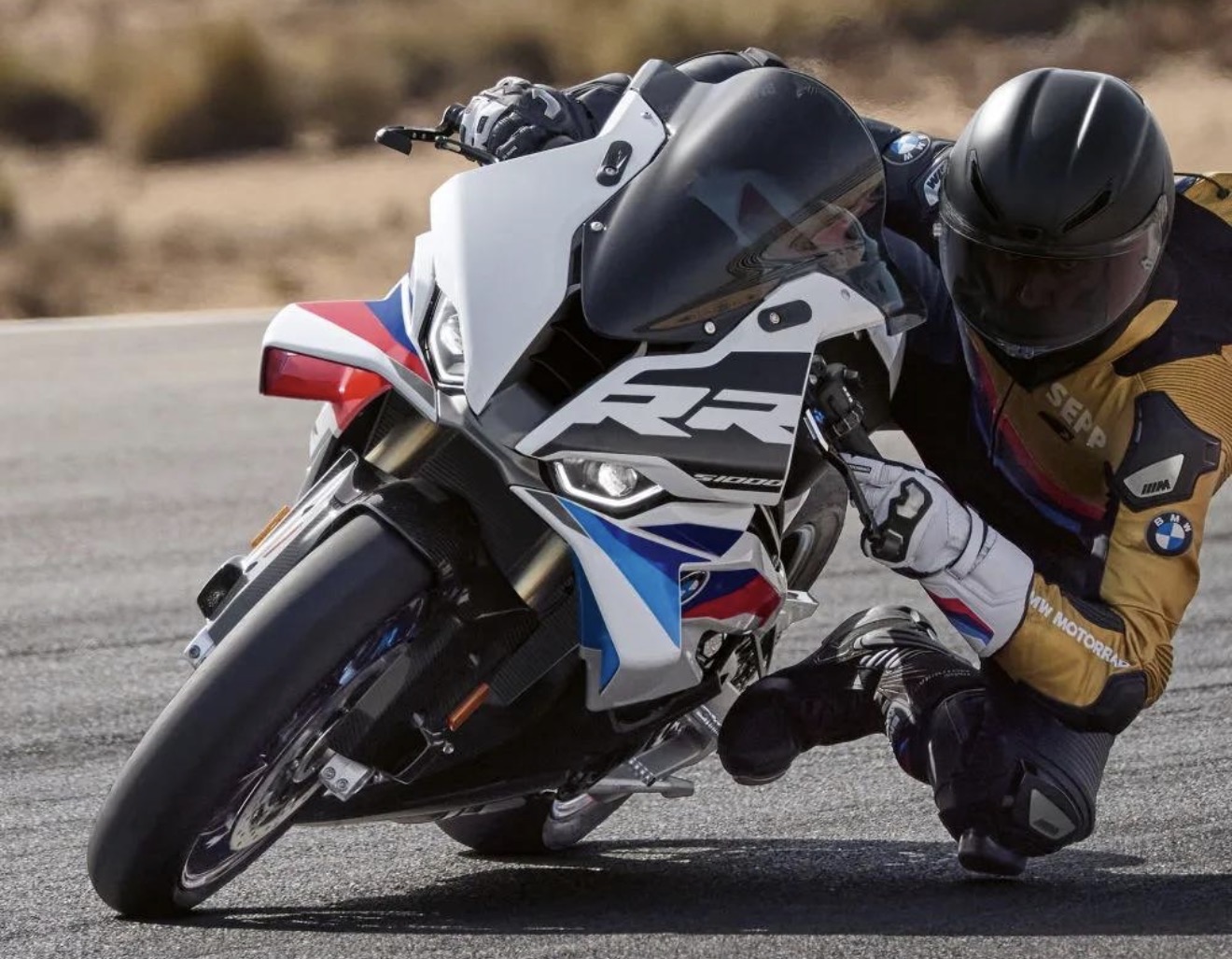
Today’s S1000RR combines tremendous power with electronics designed to make that performance usable.
It represents something that would have been difficult to imagine when the CB750 appeared:
A roughly 200-horsepower road motorcycle sophisticated enough to constantly calculate what the motorcycle and rider are doing.
Kawasaki Ninja ZX-10R
THE JAPANESE FORMULA, PERFECTED
Decades of Japanese superbike development distilled into one machine.
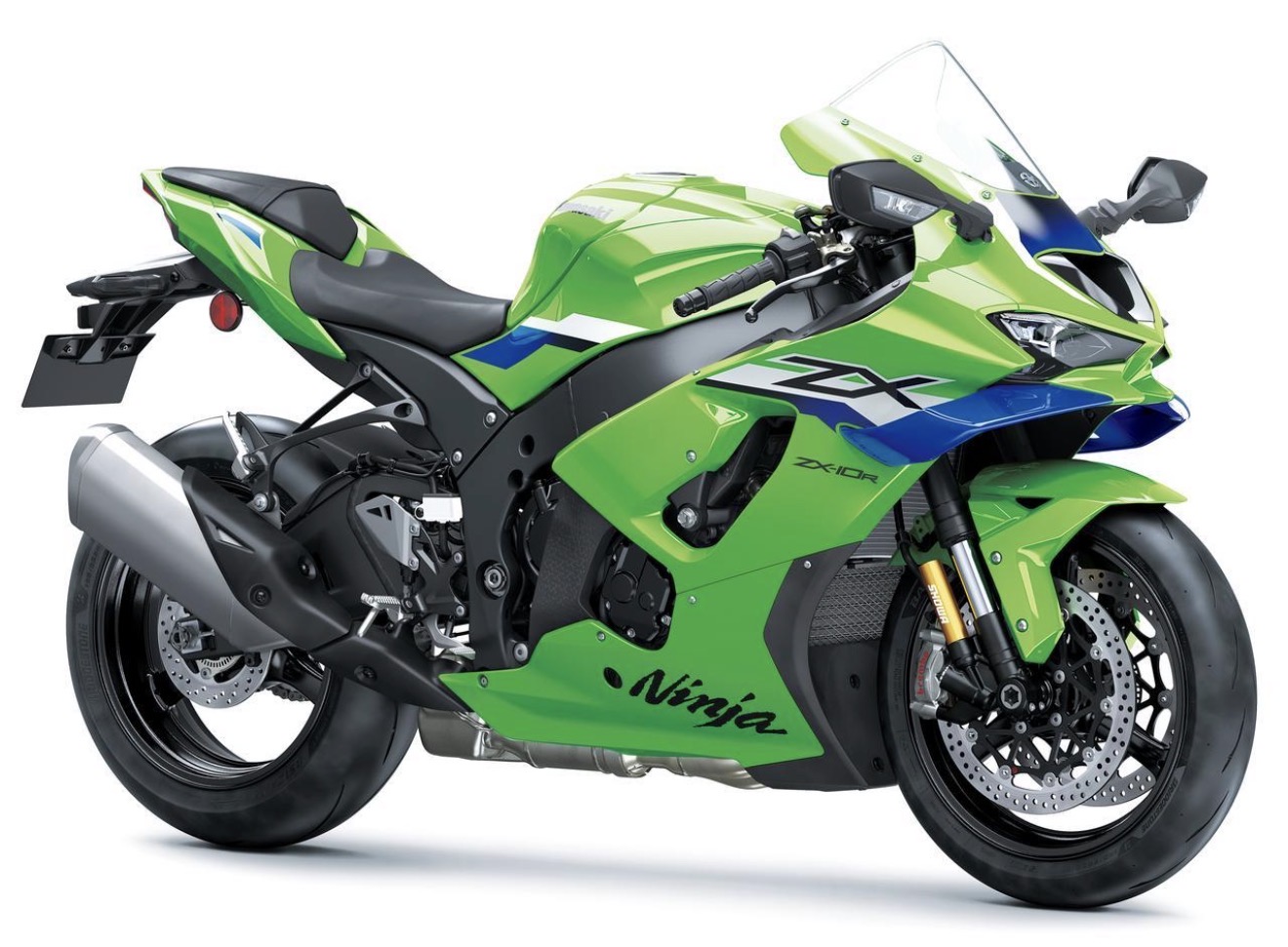
The ZX-10R represents another branch of the same family tree that began decades earlier.
The Japanese philosophy remains recognizable:
Build it faster.
Make it lighter.
Improve the chassis.
Race it.
Learn.
Then do it again.
But today’s ZX-10R combines those principles with electronics and aerodynamic technology its ancestors never possessed.
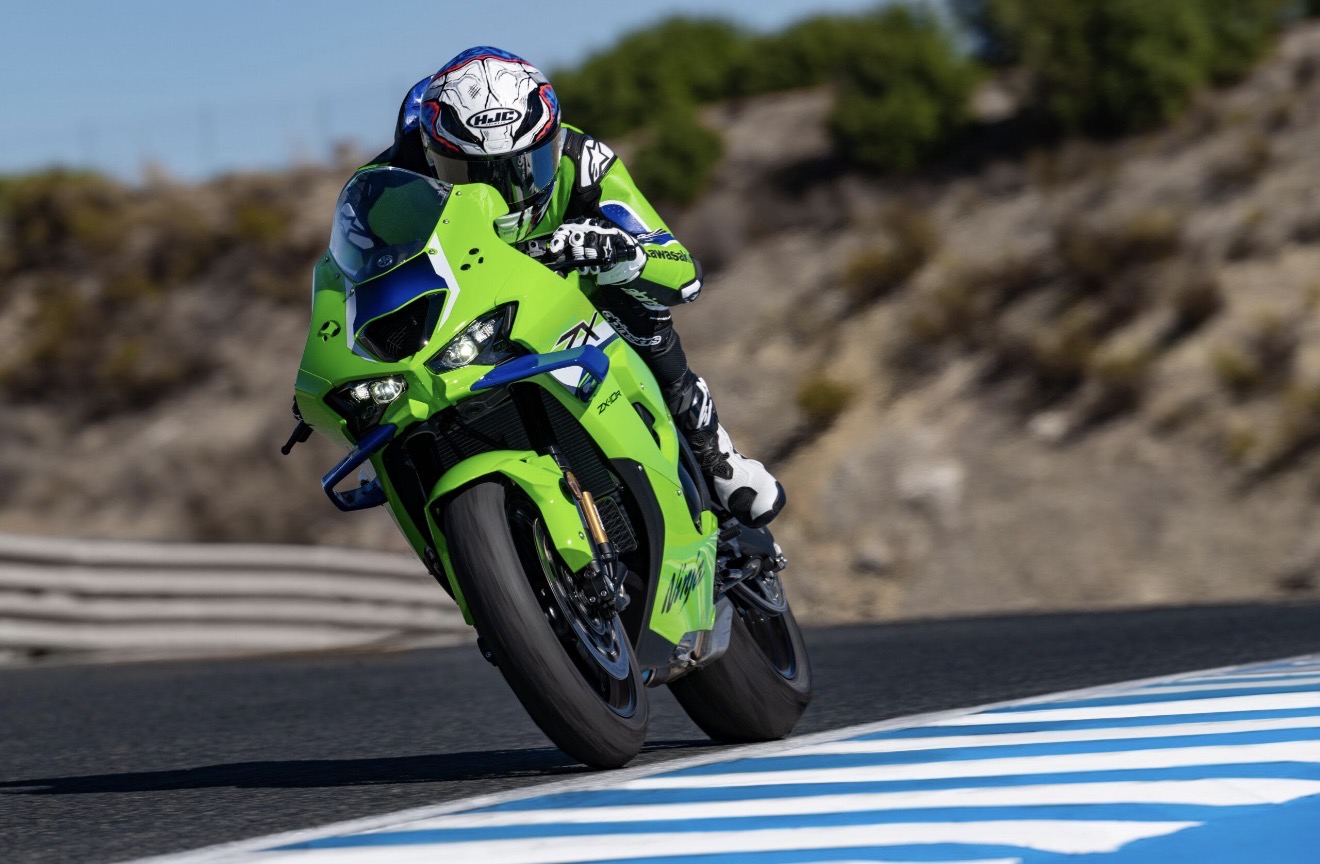
What began with relatively simple mechanical improvements has evolved into motorcycles capable of analyzing acceleration, braking, lean angle and wheel movement while the rider attacks a corner.
The superbike hasn’t stopped evolving.
It has become a computer with an engine attached to it.
A very, very angry computer.
Timeline
FROM THE CB750 TO 200+ HORSEPOWER
Look back at the motorcycles in this timeline.
1969 — Honda CB750
The blueprint.
1985 — Suzuki GSX-R750
The race replica.
1987 — Honda RC30
The homologation special.
1992 — Honda FireBlade
The lightweight revolution.
1994 — Ducati 916
Performance becomes art.
1999 — Suzuki Hayabusa
The speed war.
Today — Panigale V4 • S1000RR • ZX-10R
The 200+ horsepower generation.
Motorcycle performance didn’t simply evolve.
It accelerated.
Each generation forced the next one forward.
European manufacturers brought decades of racing knowledge, chassis development, design and unconventional engineering.
Japanese manufacturers combined racing ideas with manufacturing scale, reliability and relentless iteration.
Europe responded.
Japan responded again.
Then Germany joined the fight.
Competition created progress.
And riders got the keys.
The Question
HAVE WE REACHED THE LIMIT?
Today you can walk into a dealership and buy a motorcycle producing around 200 horsepower, fitted with sophisticated electronics and capable of acceleration that would have belonged to dedicated racing machinery only a few decades ago.
And it’ll idle in traffic.
Start every morning.
Carry a license plate.
And come with a warranty.
Which raises an interesting question.
Where does the superbike go from here?
More horsepower?
Probably.
Better electronics?
Certainly.
Active aerodynamics?
We’re already heading there.
Hybrid power?
Possibly.
Electric performance motorcycles?
Almost certainly part of the story.
But perhaps the next revolution won’t be about outright speed.
Maybe it’ll be about making extraordinary performance even more usable.
Because after more than half a century of chasing speed, motorcycle manufacturers have accomplished something remarkable.
They didn’t just bring racing technology to the street.
They put a race bike in your garage, gave it headlights, mirrors and a license plate…
…and handed you the key.
And somewhere, an engineer is already trying to make the next one faster.
ON2
THE ROAD IS WAITING. WHAT’S NEXT?